
Pulling Back The Curtain: 'The Necessary Mercy'
Behind the story, for those who stay.

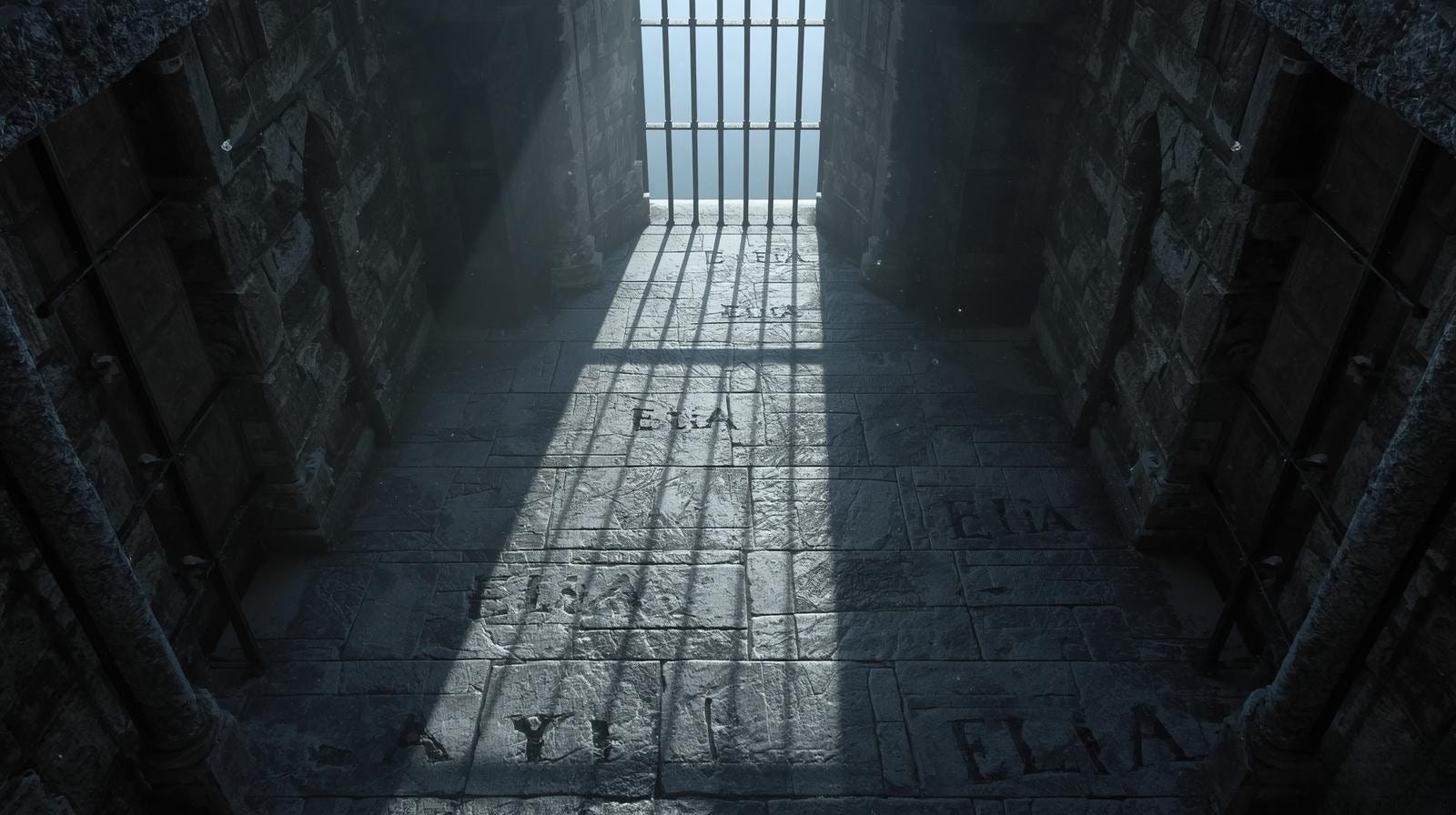
There’s a line near the end of this serialized work that I almost cut.
Alard, broken and locked in a belfry tower with nothing but a piece of iron and a stone floor, has carved one word into the ground over and over until it covered the whole surface. The word is a name: Elia.
I almost cut it because I thought it was too much. Too sentimental. Too readable. The rest of the book keeps its feeling at a careful distance, and here, suddenly, was a man with nothing left doing the one thing fear never quite manages to erase.
I kept it. I’m glad I did. But the fact that I almost didn’t tells you something about how this book was written, and what it cost.
The Necessary Mercy began somewhere around 2020, even though I only started writing it a few months ago. Not as a pandemic story. I had no interest in writing a pandemic story. What I wanted to write about was something I kept watching happen around me: the way institutions, when genuinely frightened, stop asking whether something is right and start asking whether it is defensible. The paperwork gets neat. The language gets cleaner. The decisions get worse.
Maudeline Risse is not a ‘villain’. That was the first and most important choice I made about this book. She is a woman who genuinely believes the ledger is mercy. That history’s real blood is shed when no one bothers to write it down. The moment she sits alone in the council chamber, pressing her own blood into the page with her thumb, leaving a mark she hopes someone will read and wonder about, that is not the action of someone who has forgotten her humanity. It is the action of someone who has filed it away for safekeeping, and is no longer sure where she put it.
That distinction matters to me. It matters because I think it is true.
What follows is for paid subscribers. The part where I stop being careful.
